


 July 11, 2026
  Synergetic
  Helpful Information
 An Part of Your Event That You’ll Probably Never See: The Loading Dock
When people think about planning a live event, they focus on the stage, the screens, the lighting, the sound system, the seating, and the experience their guests will have.
We do too.
But before any of that can happen, there’s one thing that often determines whether an event starts on time or behind schedule:
The loading dock.
It isn’t glamorous. No one takes pictures of it. It won’t appear in your event recap video. But for live event production companies, the loading dock is where the entire event begins.
A Great Loading Dock Saves Hours
One of the very first things we ask when planning an event is:
“Tell us about the loading dock.”
Not because we’re curious—but because it affects everything that happens afterward. If our trucks can pull up, unload efficiently, and get equipment into the space quickly, our crew spends more time doing what matters: building your event. If not, those same people are spending valuable hours simply trying to get equipment into the building.
Not All Loading Docks Are Created Equal
Every venue is different, and every dock presents its own challenges.
Here are just a few things we need to know during pre-production.
How easy is it to reach?
Some loading docks are straightforward.
Others require backing a 26-foot truck down a narrow alley, squeezing through tight city streets, or navigating sharp turns with inches to spare.
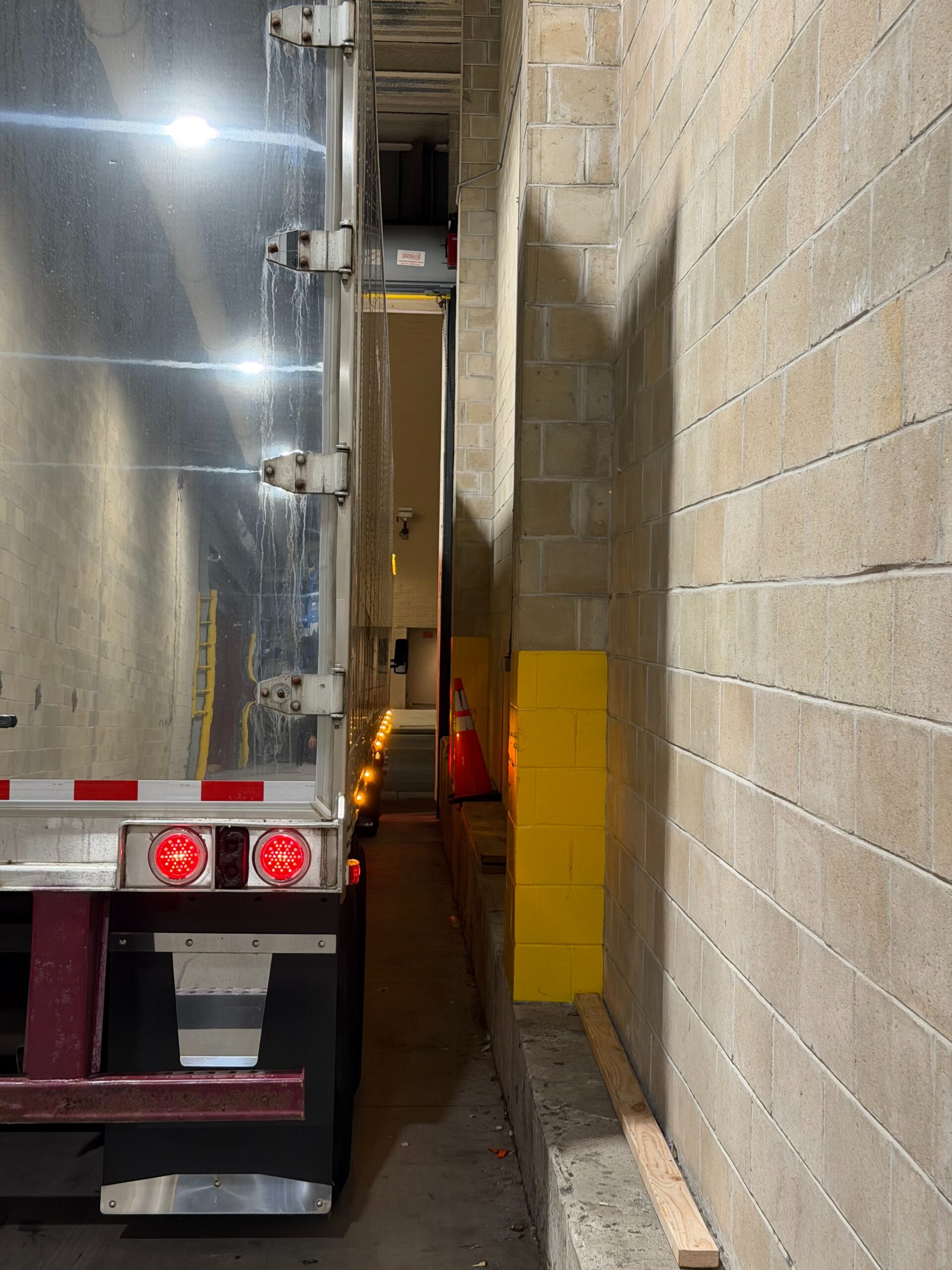
Sometimes just getting the truck into position can take far longer than expected.
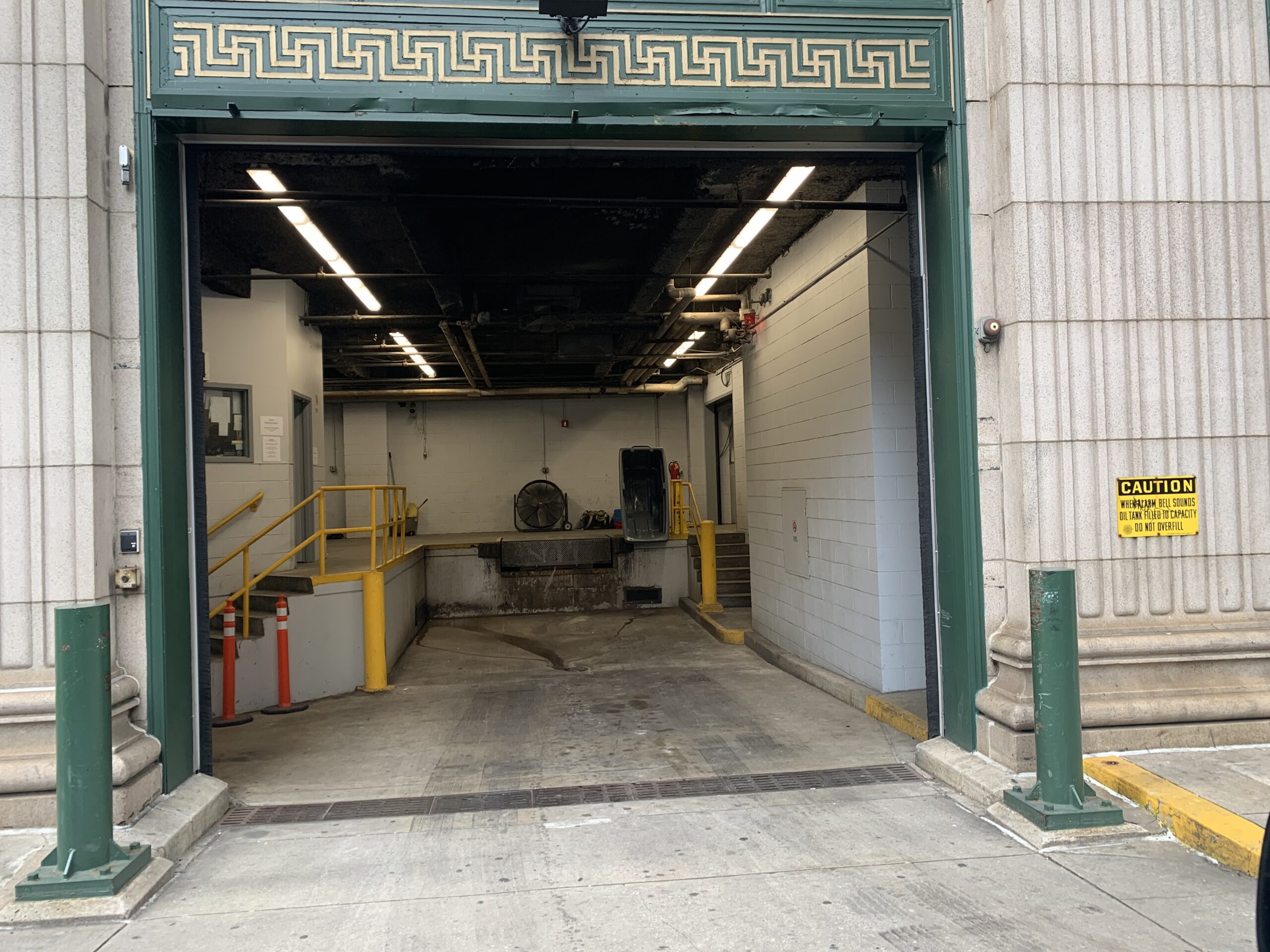
Is the dock truck height?
A truck-height dock lets us roll equipment directly from the truck into the building.
If there isn’t one, we may have to unload every case using a lift gate.
That doesn’t sound like much until you’re unloading dozens—or even hundreds—of rolling cases. Every trip takes longer, and those minutes add up quickly.
How many loading bays are available?
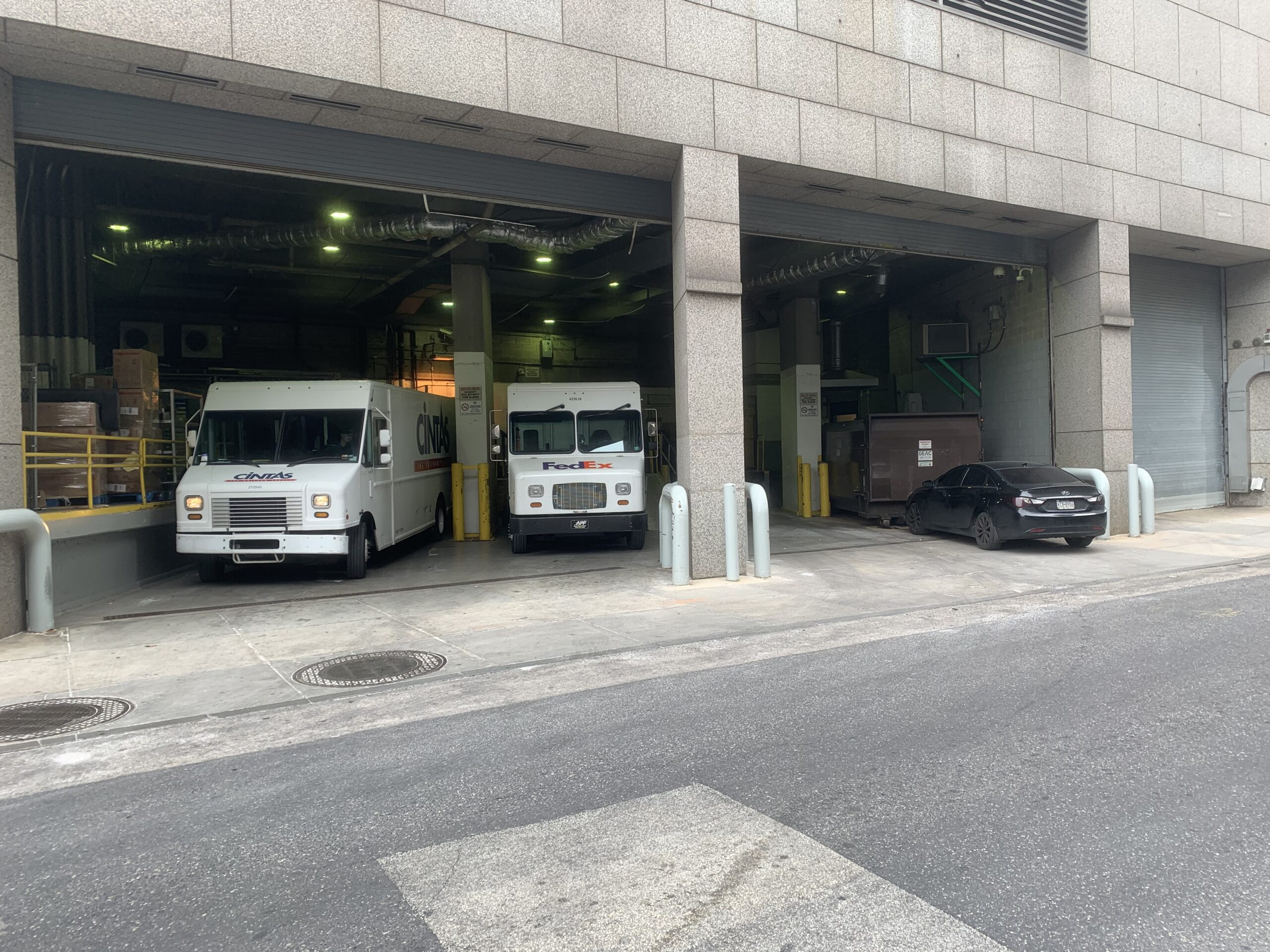
A venue may only have one loading dock serving the entire building.
If there are multiple events happening or vendors are already waiting, we may find ourselves fifth in line with nowhere to go.
Our crew isn’t unloading.
They’re waiting.
That’s time that needs to be accounted for in the production schedule.
Is the loading dock covered?
Weather doesn’t stop events.
Rain, snow, or extreme heat can dramatically slow the loading process if the dock isn’t covered.
Equipment has to be protected. Cases may need to be staged differently. Crew members work more cautiously. All of it affects the timeline.
Is the dock available when we need it?
Many people assume loading docks are open around the clock.
They’re often not.
Some buildings have strict loading hours. Others require reservations or building staff to unlock access. Some won’t allow trucks during rush hour or after business hours.
Knowing those restrictions ahead of time prevents expensive surprises.
It’s Not Just Load-In… It’s Load-Out Too
When the event ends, everything has to come back out.
In many venues, we only have a limited window before another event moves in or another vendor needs the dock.
Planning for load-out is just as important as planning for load-in.
What if There Isn’t a Loading Dock?
This is more common than people think.
Sometimes the only option is unloading from the street.
That could mean pushing hundreds of cases several hundred feet through sidewalks, parking garages, service corridors, or hotel hallways before reaching the event space.
That additional distance can easily add hours to a production schedule.
What’s Between the Dock and the Ballroom?
The loading dock is only the beginning.
We also want to know:
- How far is the push from the dock to the room?
- Are there ramps or stairs?
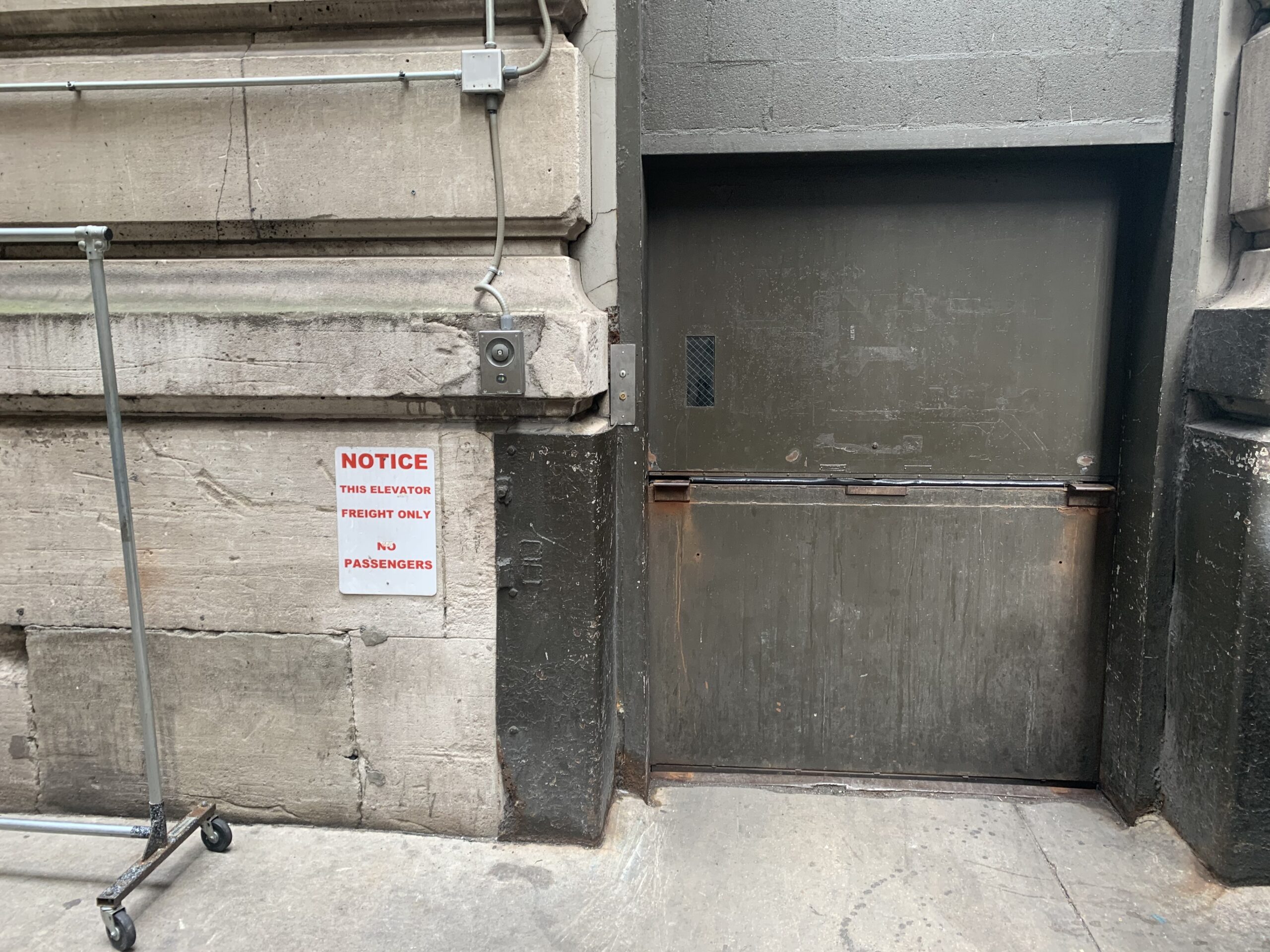
- Do we need freight elevators?
- Will we have to use multiple elevators? The “go down to go up” routine!
- Are there narrow hallways?
- Do we have to travel through kitchens, back-of-house corridors, or shared service areas?
Moving equipment isn’t difficult.
Moving it efficiently requires planning.
Why This Matters to Our Clients
When we ask detailed questions about loading docks, we’re not trying to make the planning process more complicated. We’re trying to eliminate surprises. A two-hour delay before we even start building your stage affects rehearsals, speaker preparation, catering schedules, room access, and ultimately the guest experience. The better we understand the venue before our trucks arrive, the more accurately we can schedule crews, allocate labor, plan arrival times, and keep your event running on schedule.
Every Great Event Starts Long Before Guests Arrive
Most attendees never think about the loading dock. That’s exactly how it should be. Our job is to think about it for you. At Synergetic, we believe successful events are built through preparation—not reaction. Understanding a venue’s loading conditions is one of dozens of details we evaluate before a single case comes off the truck. Because outstanding audio visual isn’t just about what happens on stage. It’s about everything that happens before anyone walks into the room.
 September 16, 2026
  Synergetic
  Helpful Information