


 September 2, 2026
  Synergetic
  Uncategorized
 When Will The Ballroom Actually Be Empty?
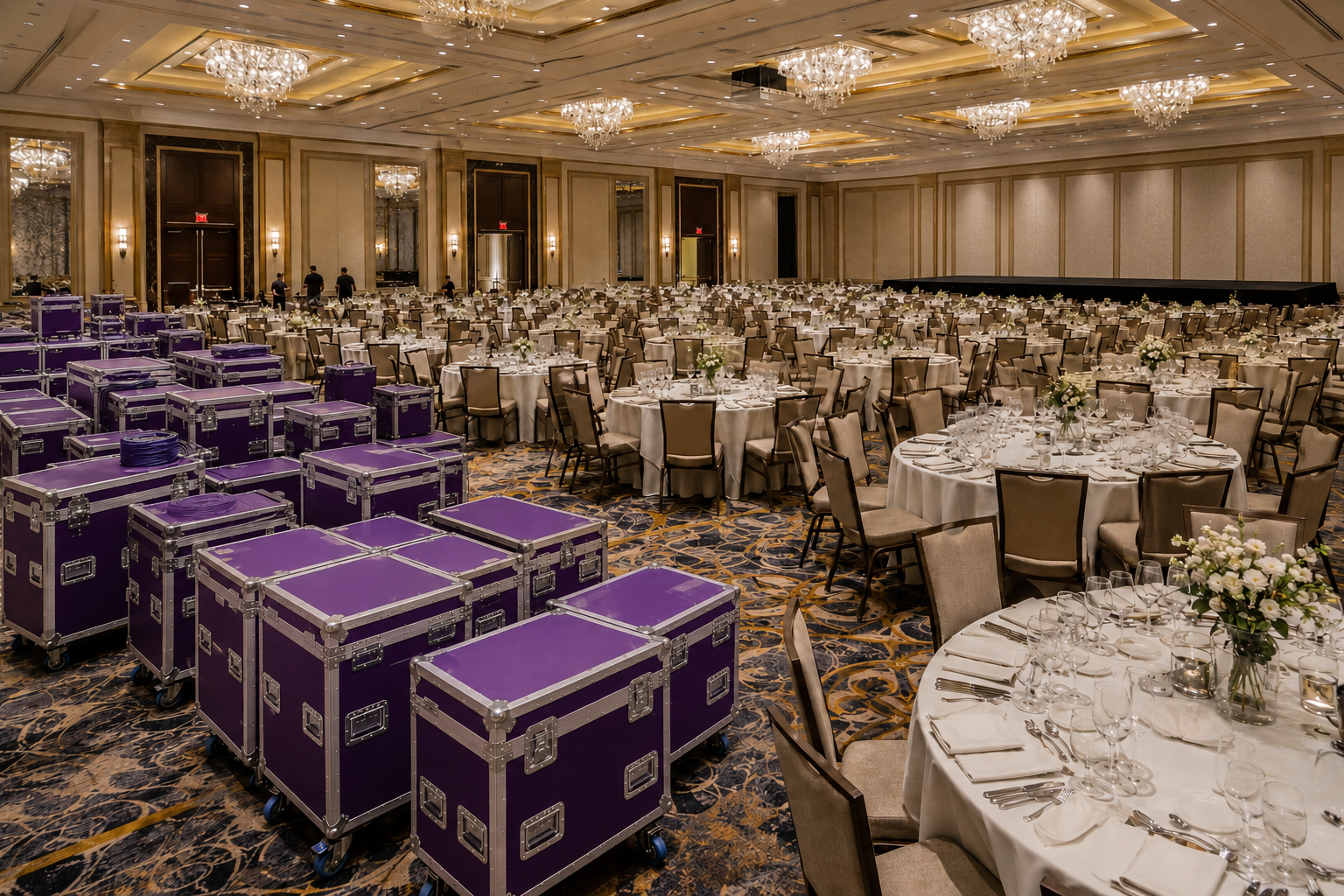
Your AV team needs access to an empty room—not a room that is technically finished but still being dismantled.
There is a big difference between the previous event ending and the ballroom being empty.
If the previous event ends at 2:00 p.m., that doesn’t necessarily mean your production team can begin setting up at 2:00. Guests still need to leave. Catering needs to clear tables. Décor may need to be removed. The venue might have to reset the room.
Before creating the production schedule, ask the venue:
- What time does the previous event end?
- Who is responsible for clearing the room?
- How long will that take?
- At what time will the ballroom be completely empty and available to production?
The exact opposite is just as bad. Walking into a fully set room and we have to move tables and chairs to get to the stage is big problem.
Does the Venue Understand the Entire Load-In and Load-Out Schedule?
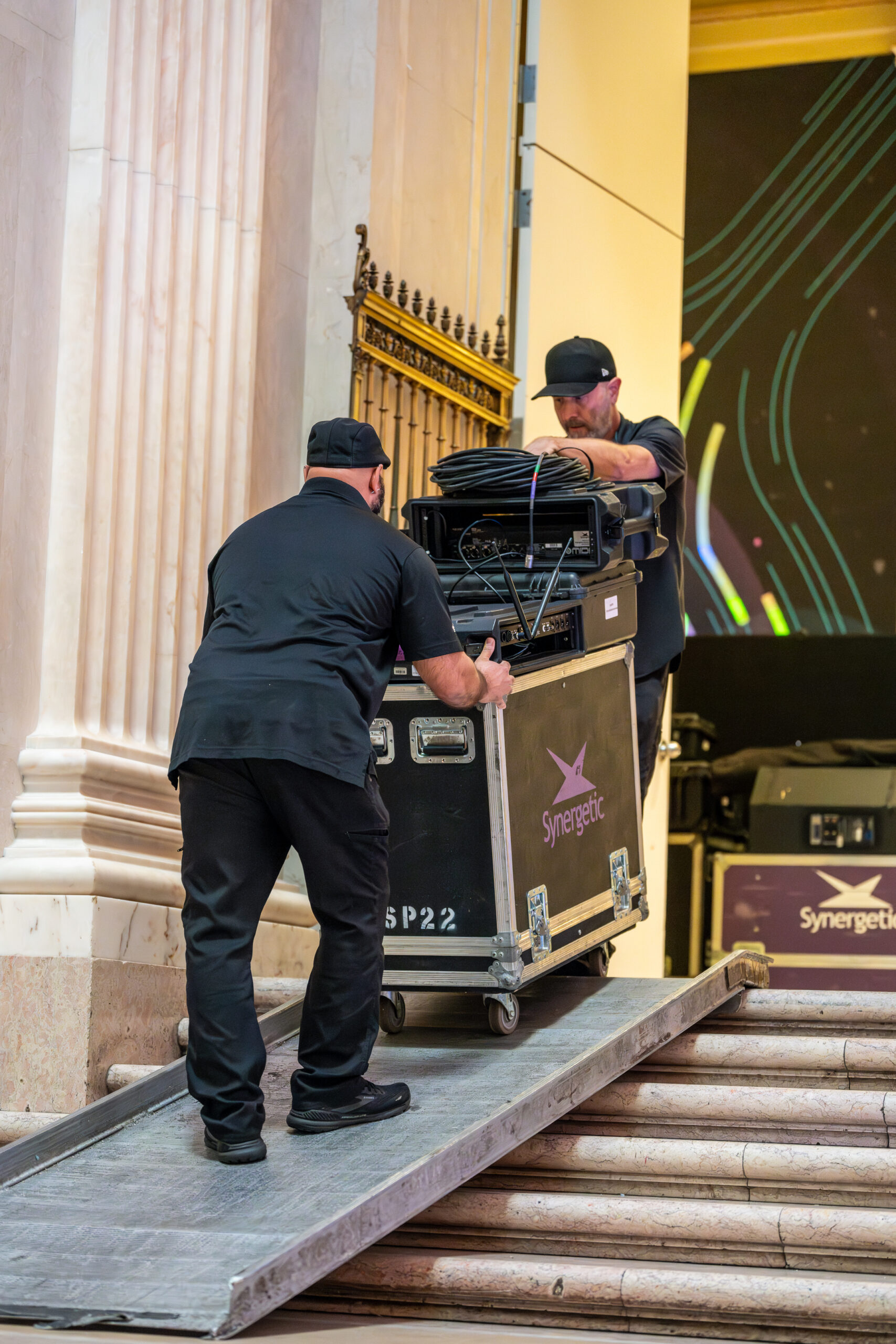
Confirm the complete schedule with the venue before it is finalized. “The event ends at 10:00” is not the same as “everyone will be out of the building at 10:00.”
Make sure the venue knows exactly how long your vendors expect to be onsite.
Too often, nobody tells the venue early enough that production may need four hours to load out. That can leave venue employees working much later than expected—or create an even bigger problem if the venue has sold the room again shortly after your event ends.
The production schedule should account for more than the event itself. It should include:
- Truck arrival and unloading
- Equipment setup
- Testing and rehearsals
- The event
- Equipment breakdown
- Loading the trucks
- Final room clearance
Tents: Has Production Been Included in the Tent Plan?
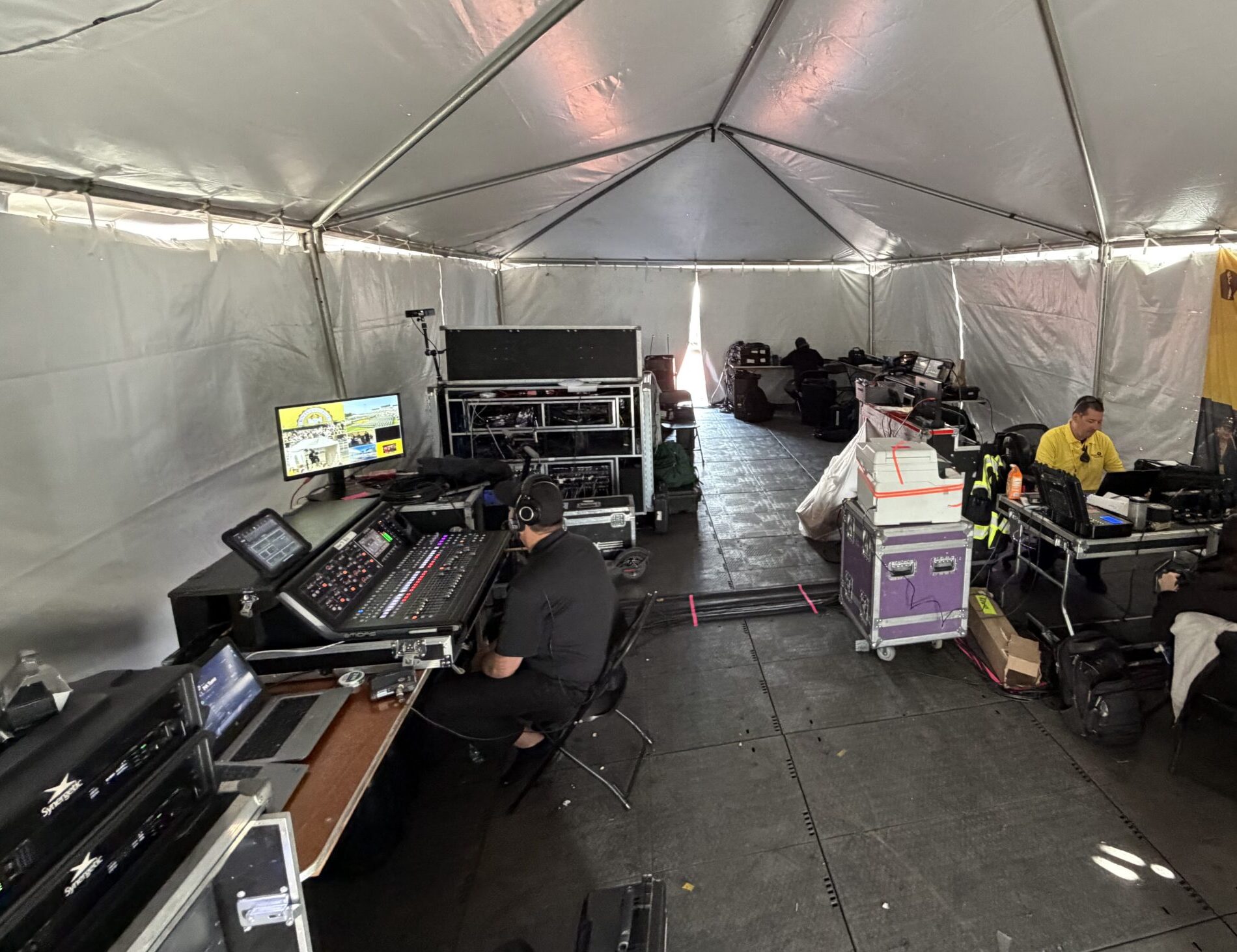
Production tents should be planned from the beginning—not added as an afterthought when the forecast starts looking questionable.
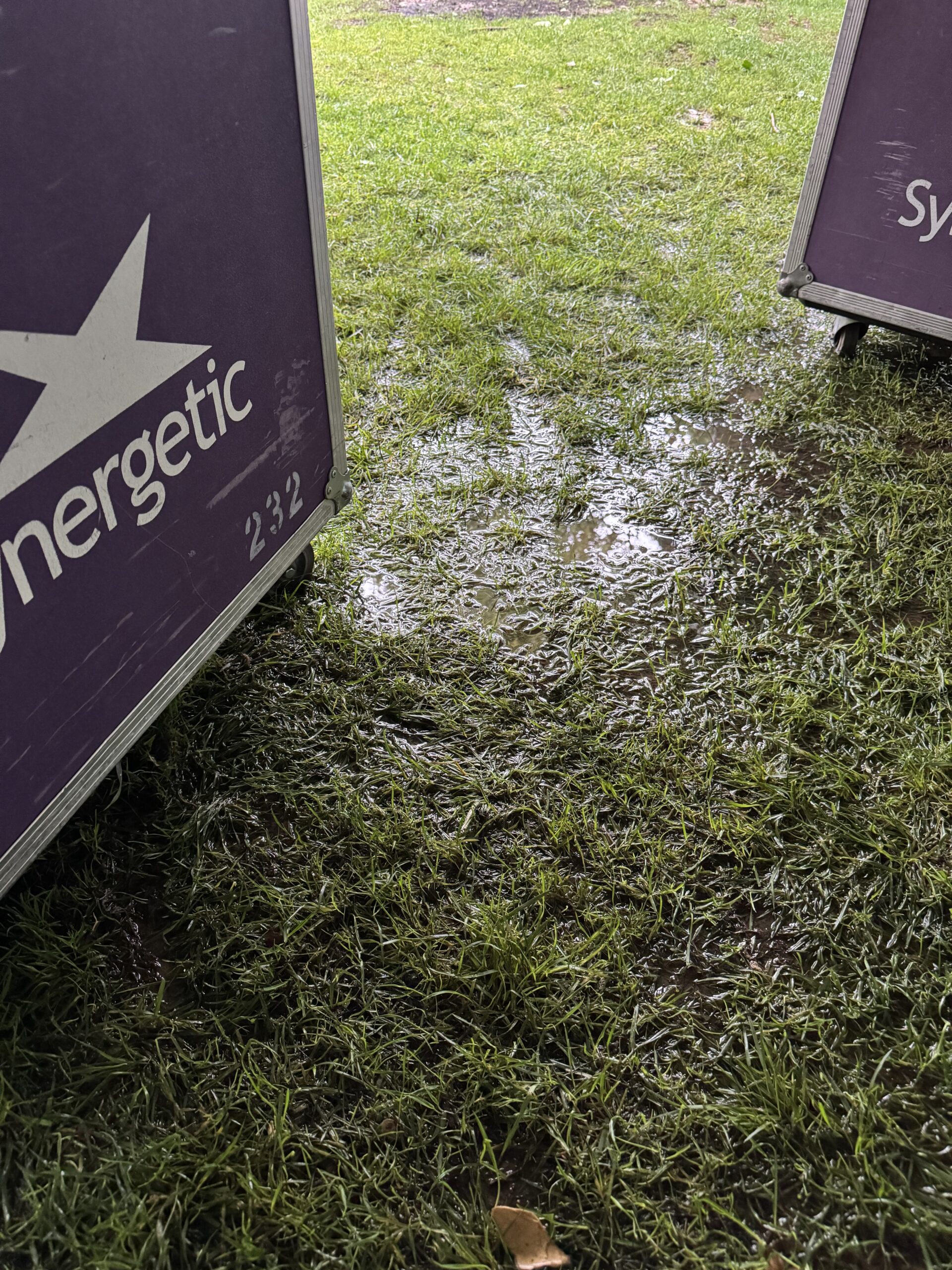
For an outdoor event, the production team needs proper protection from the weather too.
Ask your tenting provider to include dedicated space for audio, lighting, video, and show-control positions. Those tents must be large enough to protect both the equipment and the technicians operating it.
A small pop-up canopy is not a professional production solution. It may not provide enough space, proper coverage, sufficient stability, or protection from wind-driven rain.
Where Are All the Empty Cases Going?
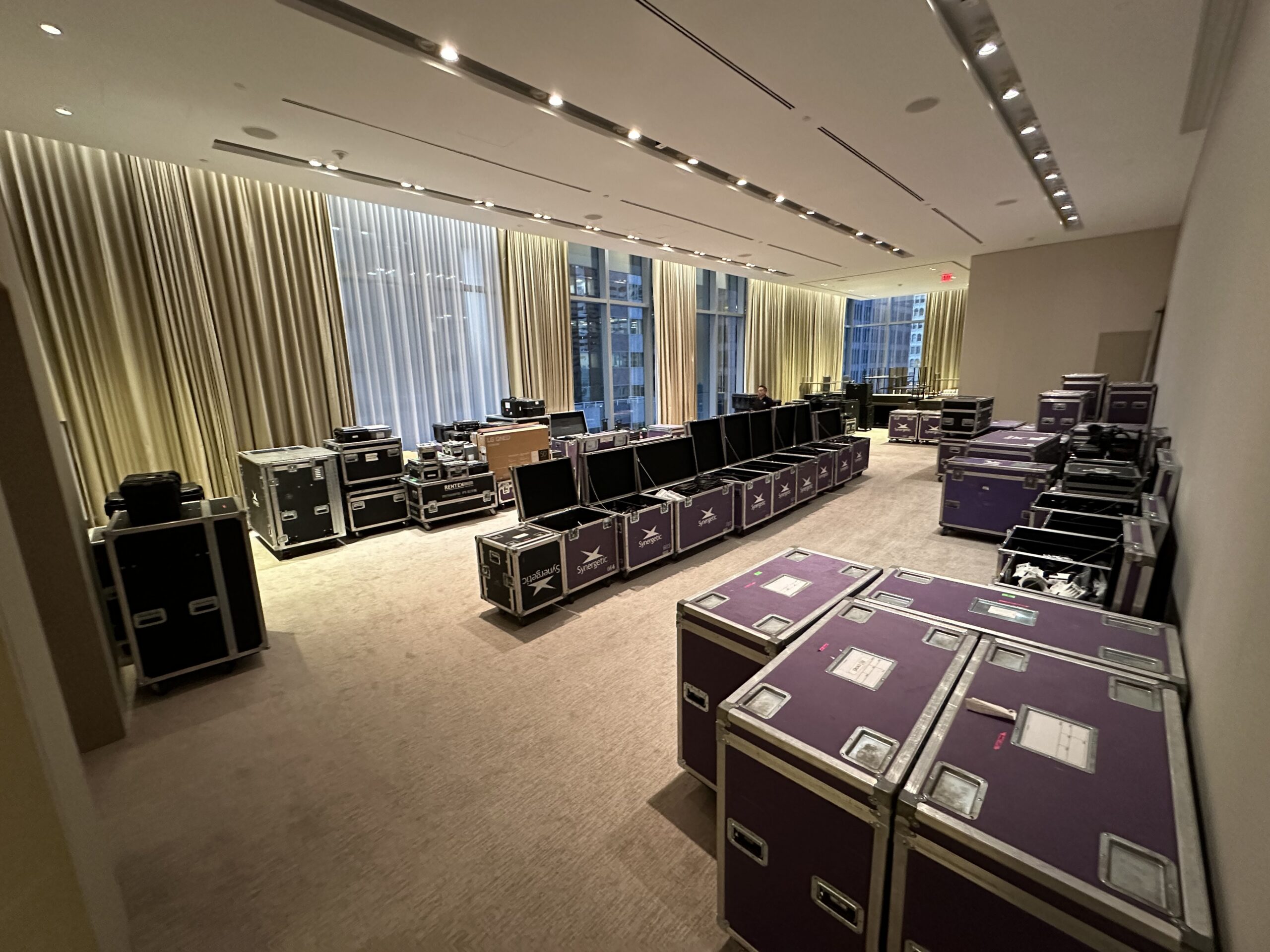
Ask about case storage during the site visit. Finding room for dozens of empty cases after the equipment has already arrived is much harder.
Every piece of production equipment arrives in a case—and once that equipment is set up, those empty cases have to go somewhere.
In the event industry, these are often called “deads.” A larger production can create an impressive number of them.
They cannot remain in guest areas, block exits, clutter backstage, or interfere with catering and other vendors. Depending on the venue, the cases may need to be stored in another room, returned to the truck, or placed in a designated storage area.
Are the Floor Plans Actually Drawn to Scale?
“It looks like it fits” is not the same as knowing it fits.
Everything fits when the room, tables, chairs, stage, screens, and production areas are represented by boxes that can be dragged around a screen.
The problems begin when the real equipment arrives.
A floor plan should be based on accurate measurements of:
- The room
- Stages and scenic elements
- Tables and chairs
- Screens and projection distances
- Speaker locations
- Camera positions
- Production areas
- Entrances and emergency exits
- Required aisles and walkways
A properly scaled drawing helps everyone identify problems before show day. An inaccurate floor plan can result in blocked sightlines, insufficient seating, equipment that doesn’t fit, or last-minute changes that affect the entire room.

What Will the Weather Be During Setup?
Good weather at showtime doesn’t help if severe weather prevented the show from being installed.
Event planners understandably focus on the forecast for the hours when guests will be present. But for an outdoor event, the setup forecast is just as important as the event forecast.
The weather may be beautiful when the event begins—but what happens if there is heavy rain, strong wind, or lightning during the six hours leading up to it?
Production teams cannot safely install electrical equipment in severe weather. Lightning will also stop outdoor work entirely. That delay can consume a large part of the setup window, even if the storm moves away before guests arrive.
Monitor the forecast for the entire production period:
- Load-in
- Setup
- Rehearsals
- The event
- Breakdown
- Load-out
When Is the Content Actually Due?
Your technicians’ attention should be on making you look great onstage—not figuring out whether a brand-new video will play.
Sending content minutes before the doors open—or even while the event is underway—is never a good plan.
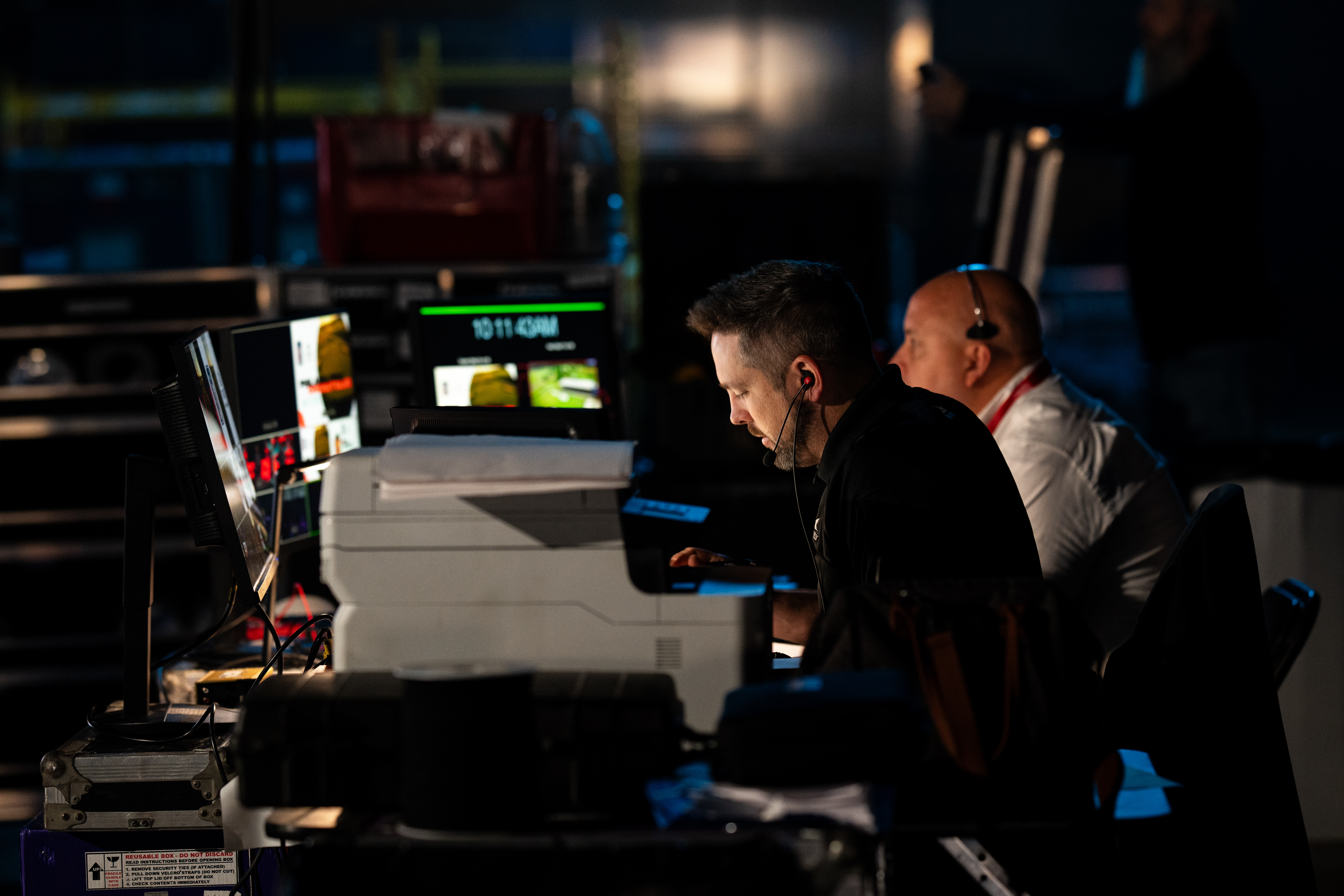
The technical team needs time to confirm that presentations, videos, graphics, fonts, audio, and playback formats work correctly. If content arrives at the last minute, there may be no opportunity to test it before it is shown to the audience.
It also pulls technicians away from their primary responsibilities. During an event, they should be watching the stage, listening for cues, monitoring microphones, managing playback, and staying focused on what happens next.
When a technician has to stop doing that to download, convert, repair, or organize a last-minute file, it creates an unnecessary opportunity for something else to be missed.
Set a firm content deadline and communicate it to every presenter. If last-minute changes are unavoidable, establish a clear process and designate one person to approve and deliver them.
One More: Has Anyone Created a Loading Plan?
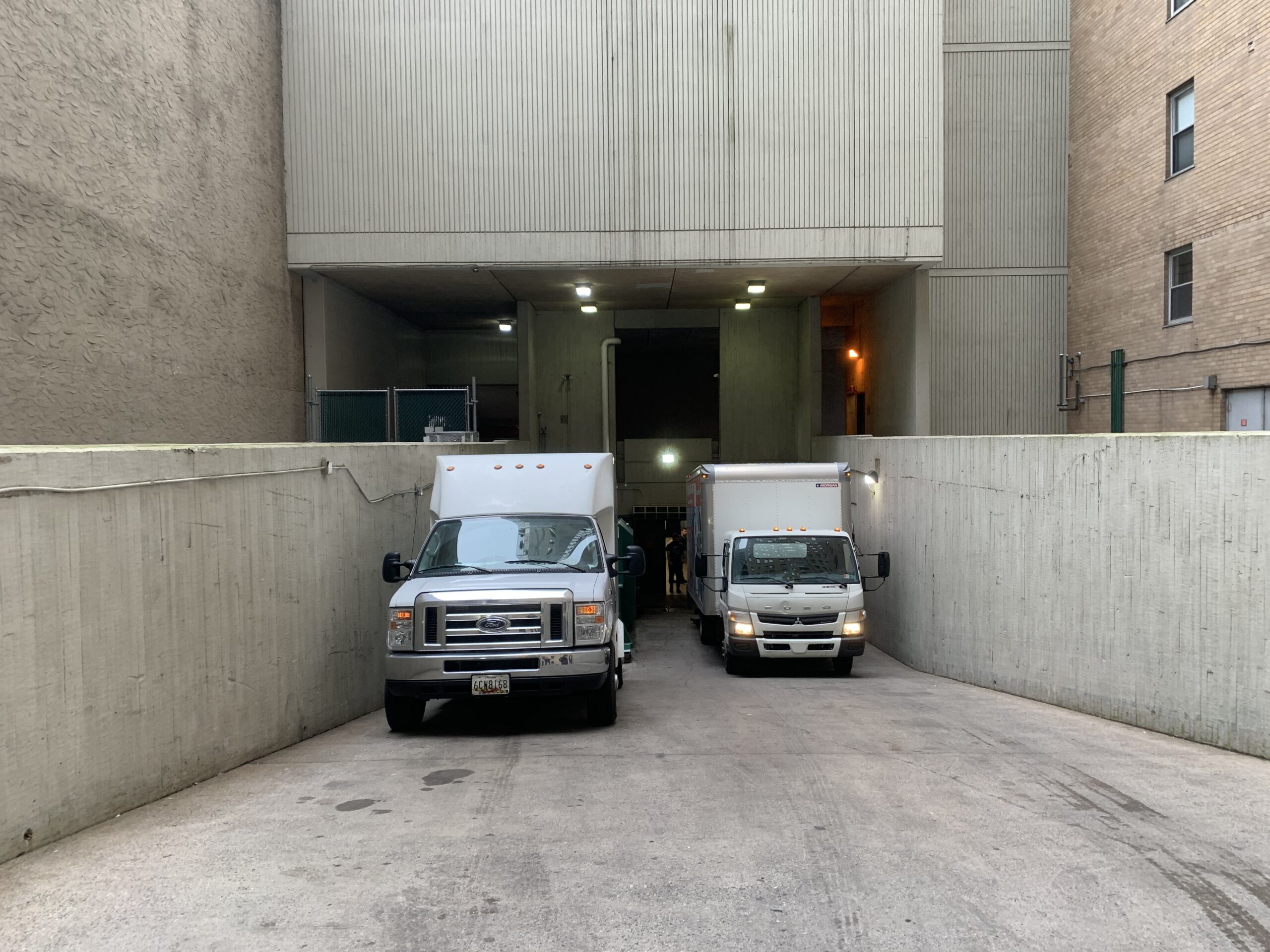
If five vendors arrive for one loading dock at 8:00 a.m., four of them are going to wait—and the entire setup schedule may fall behind before the equipment reaches the room.
The loading dock, freight elevator, and vendor access route are not minor details—especially when multiple vendors are arriving at the same time.
A venue may have:
- One loading dock shared by several events
- A freight elevator that requires a reservation
- Restricted loading hours
- Limited truck access
- A long route between the dock and ballroom
- A small elevator that cannot accommodate larger equipment
- Rules preventing cases from traveling through guest areas
Create a realistic loading schedule and assign arrival windows to each vendor. Then make sure everyone respects those times.
Better Events Start With Better Questions
Most of these problems are preventable. They don’t require more equipment or elaborate solutions. They require someone to ask the right questions early enough to do something with the answers.
That is a major part of good AV planning. It isn’t only about choosing speakers, screens, and lights. It is about thinking through the room, schedule, venue, weather, content, and logistics so there are fewer surprises on show day.
At Synergetic, we think about the things our clients may not know they need—because being thoroughly prepared is how we help them create an event they can be proud of.
 September 16, 2026
  Synergetic
  Helpful Information